Projects
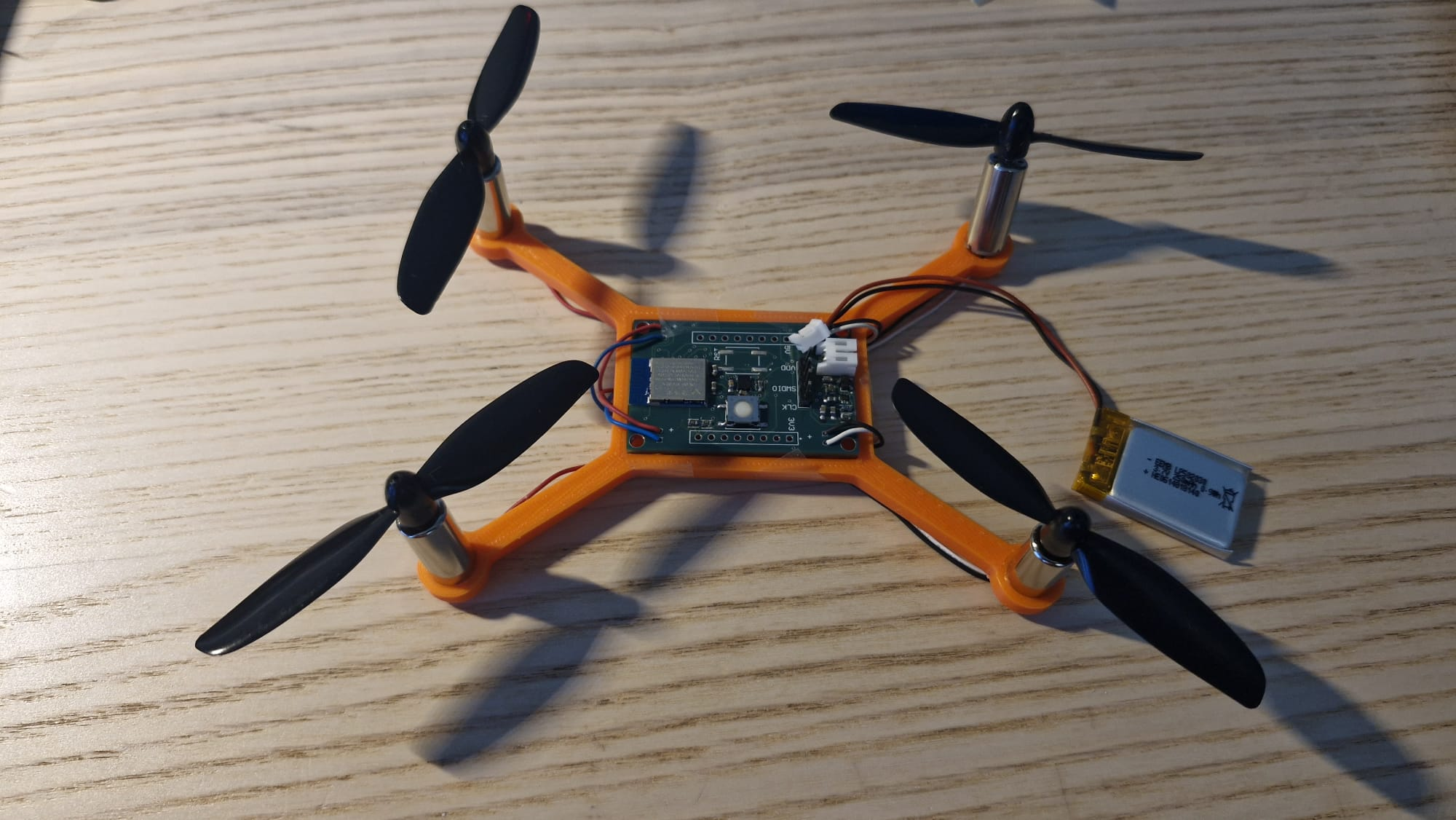
Quinjet - Custom Quadcopter
A custom mini quadcopter and remote controller built entirely from scratch, featuring a 4-layer flight controller and a 2-layer remote controller running Zephyr RTOS.
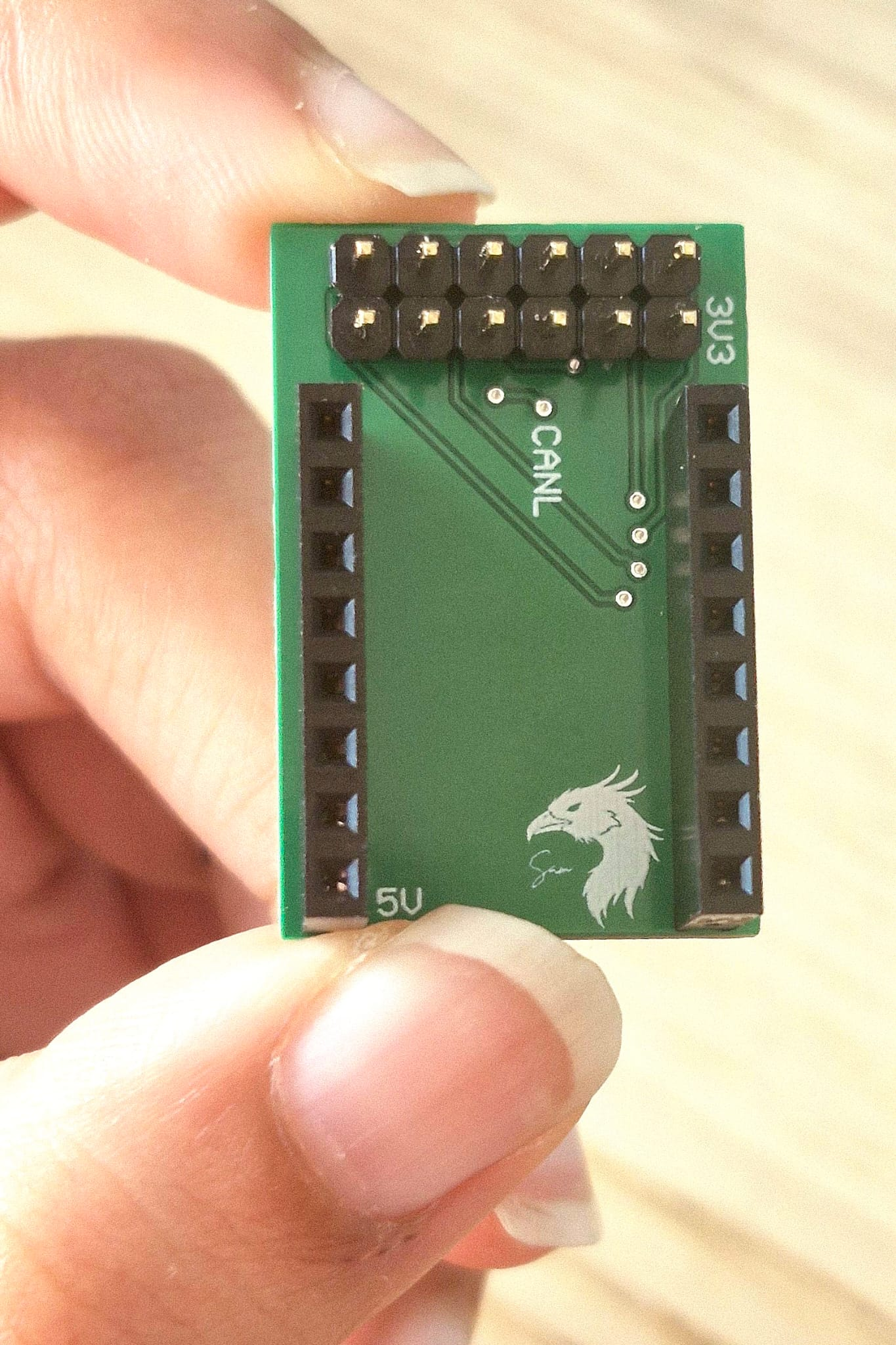
Cypher - Protocol Analyzer
An open-source hardware logic analyzer utilizing parallel I/O and DMA on an ESP32-C6 to capture and decode SPI, I2C, UART, and CAN protocols.
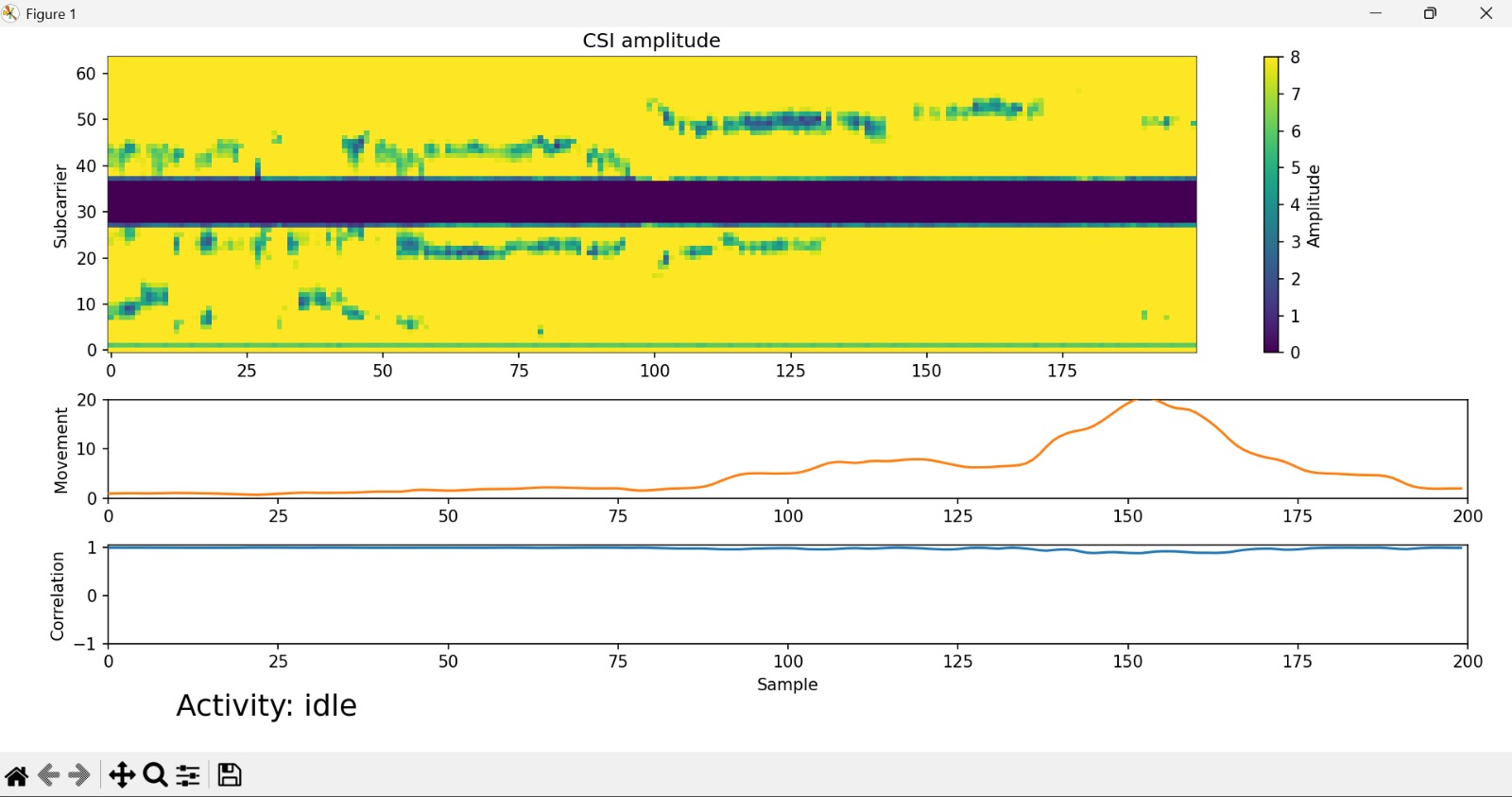
ESP32 WiFi CSI Human Activity Sensing
A real-time RF sensing platform using ESP32 WiFi Channel State Information (CSI) to detect human presence and classify activities through embedded DSP and edge machine learning.
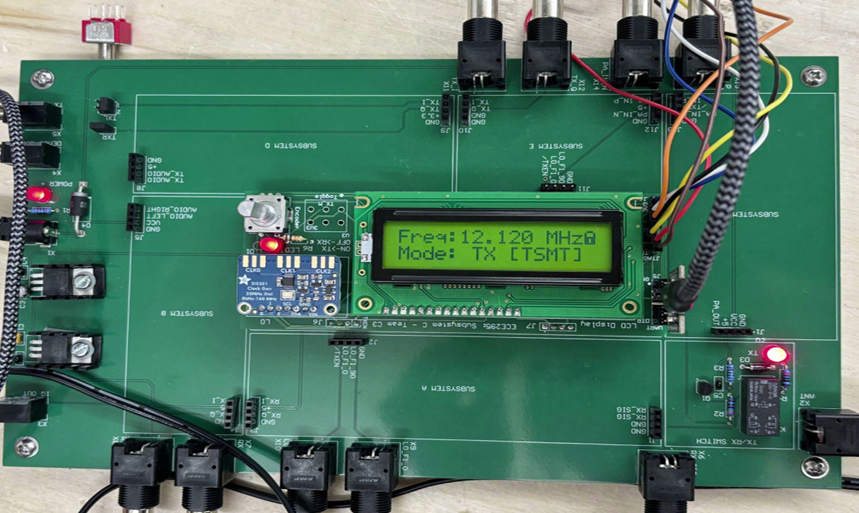
FLRTRX Radio Controller ("Shorty")
Engineered a custom ATmega324PB-based radio controller PCB to generate precise 8-16 MHz quadrature signals. Features adaptive UI tuning, EEPROM state recovery, and a Python-based CAT protocol remote console.
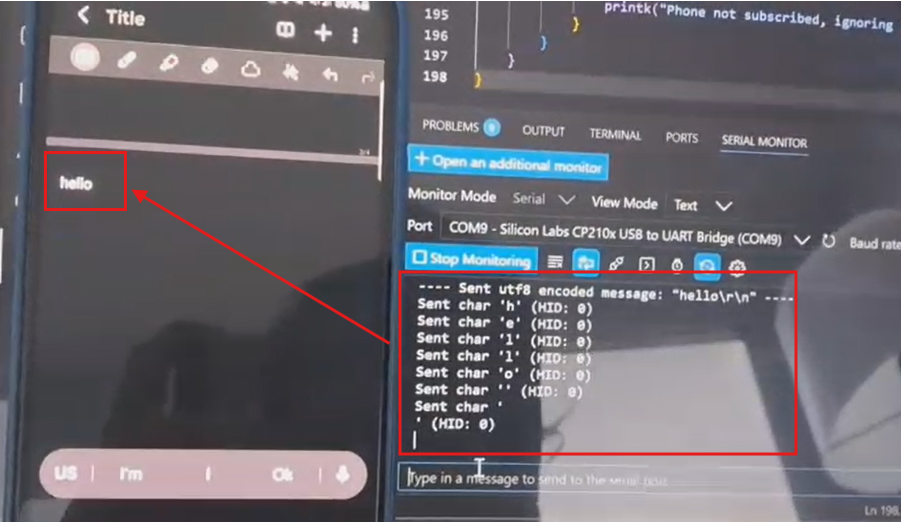
USB-BLE HID Keyboard Bridge
An interrupt-driven BLE bridge that converts an ESP32 into a BLE HID keyboard, utilizing a modular RTOS architecture to translate serial inputs into standard keystrokes.
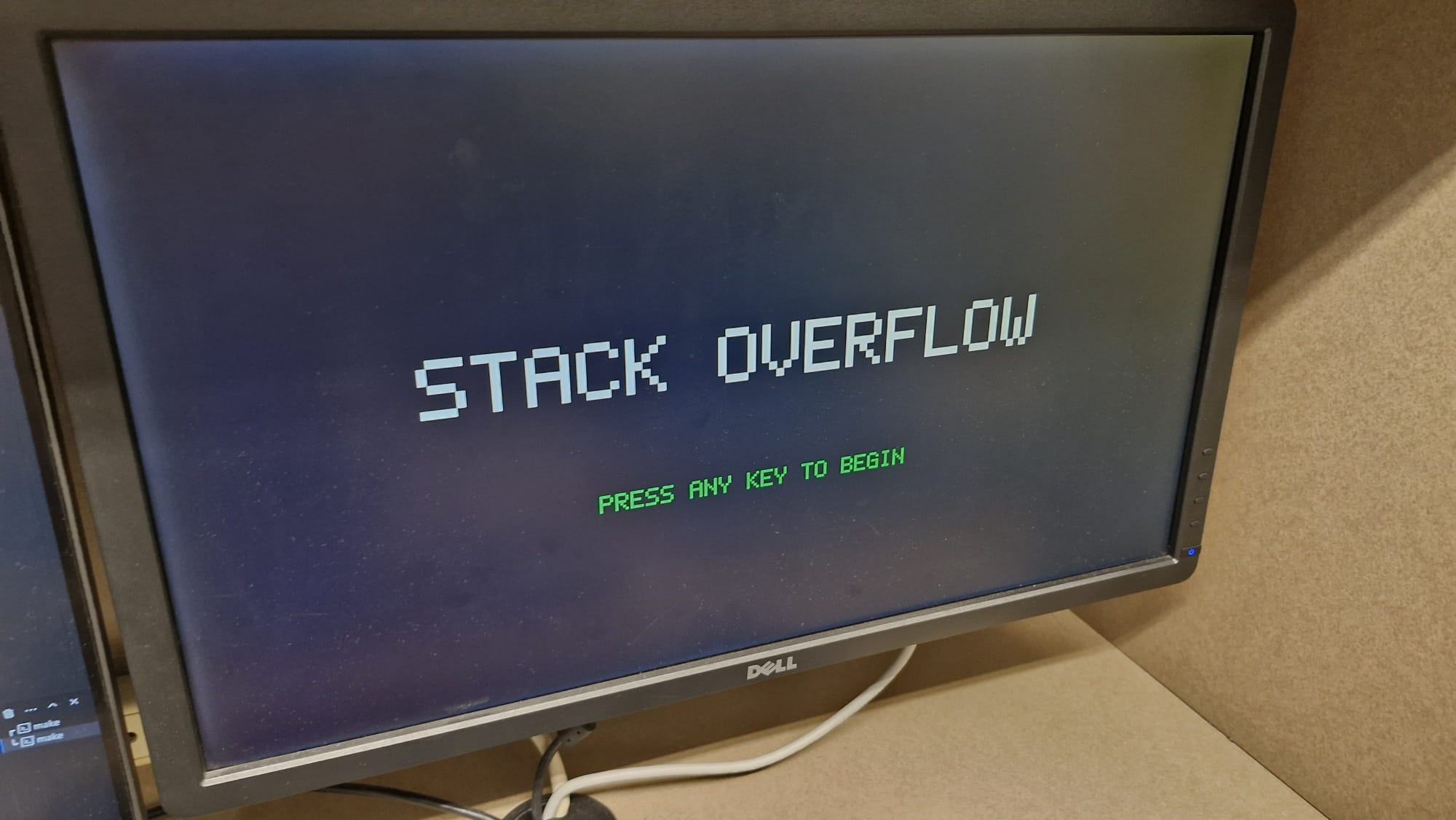
Stack Overflow - Baremetal Game
A bare-metal, real-time reaction game, inspired by the stack, executing on a Nios V soft-core processor via the DE1-SoC FPGA board, interacting directly with memory-mapped I/O.
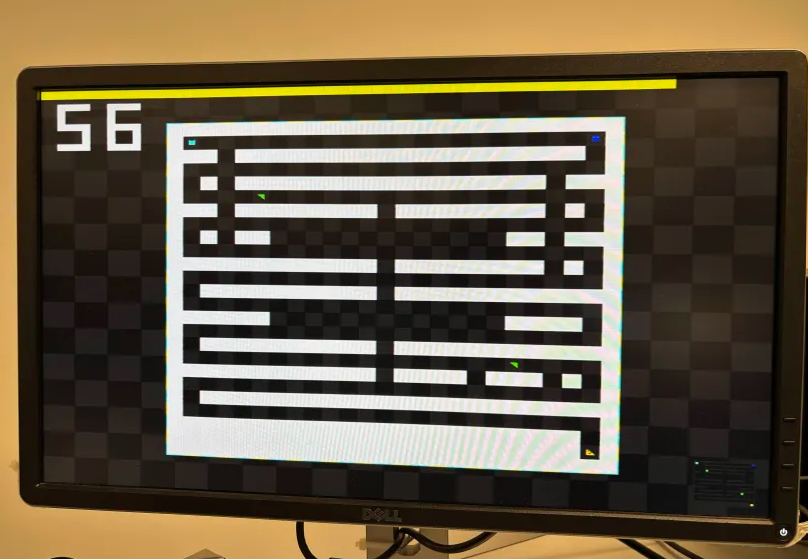
Micromouse Maze Game on DE1-SoC FPGA
Built a 2D Micromouse maze game on the DE1-SoC FPGA using Verilog HDL in Intel Quartus Prime, featuring modular Game and Player FSMs, a 25×25 maze in on-chip memory, PS/2 keyboard input, VGA display, and movement-triggered audio. Optimized memory for concurrent VGA and PCM playback, implemented real-time synchronization, and validated functionality with ModelSim simulations and waveform analysis. Supports single- and multiplayer modes with power-ups and a hardware countdown timer, showcasing end-to-end FPGA digital design and peripheral integration.
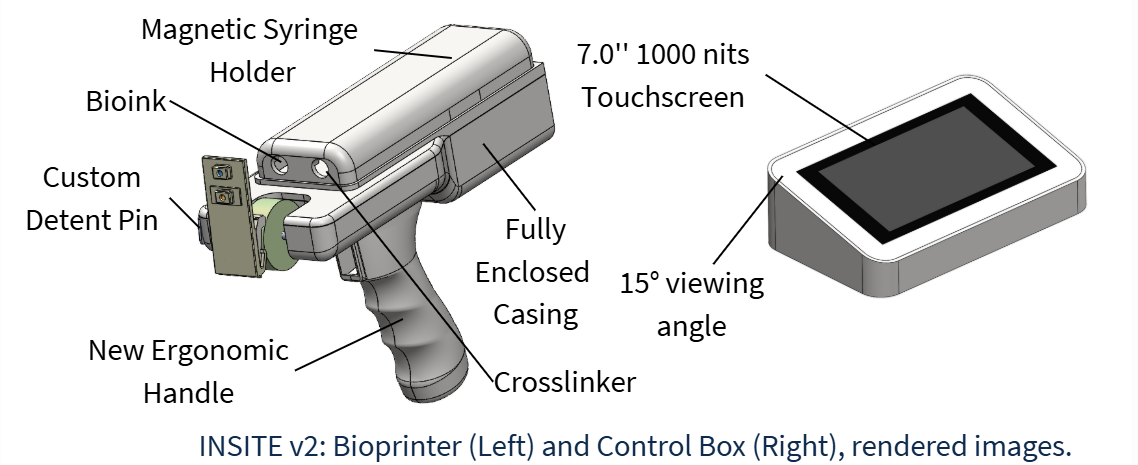
Handheld Bioprinter Control System
A compact, handheld bioprinter designed for precise multi-motor actuation. Developed real-time firmware on an STM32-based Arduino Portenta to control motors via CANopen, implementing ISR-driven emergency stop with 10 ms resolution. Engineered a dual-protocol integration with I2C touchscreen GUI for intuitive surgeon-device interaction. Designed custom PCBs, validated circuits using LTSpice, and debugged timing/signals with oscilloscopes and logic analyzers.
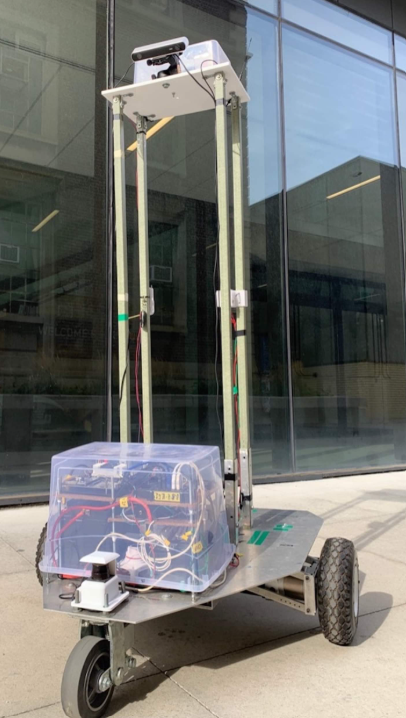
Autonomous Rover Embedded Systems
Embedded control and sensor system for an IGVC (Intelligent Ground Vehicle Competition) autonomous rover. Developing ROS2-based firmware for Linux, Arduino, and Raspberry Pi platforms. Designing CAN/I2C/SPI motor and sensor interfaces, implementing real-time control algorithms, and integrating power management circuitry. Creating custom PCBs and performing full system integration for autonomous navigation. Part of University of Toronto Robotics Association (UTRA).
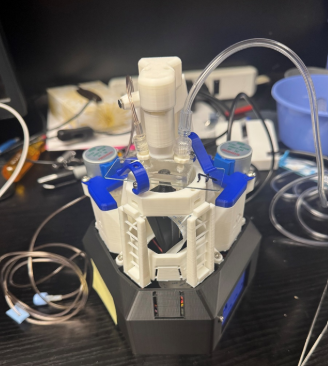
Microfluidic Cell Analysis Device
A microfluidic chip for real-time blood cell analysis. Developing STM32-based embedded control systems for peripheral actuation, integrating high-resolution imaging modules, and implementing edge machine learning for real-time cell classification. Designing custom PCBs for sensor and actuator integration and optimizing communication protocols (CAN, I2C, SPI, UART) for real-time data transfer. Part of University of Toronto Biomedical Engineering Design Team (UTBIOME).
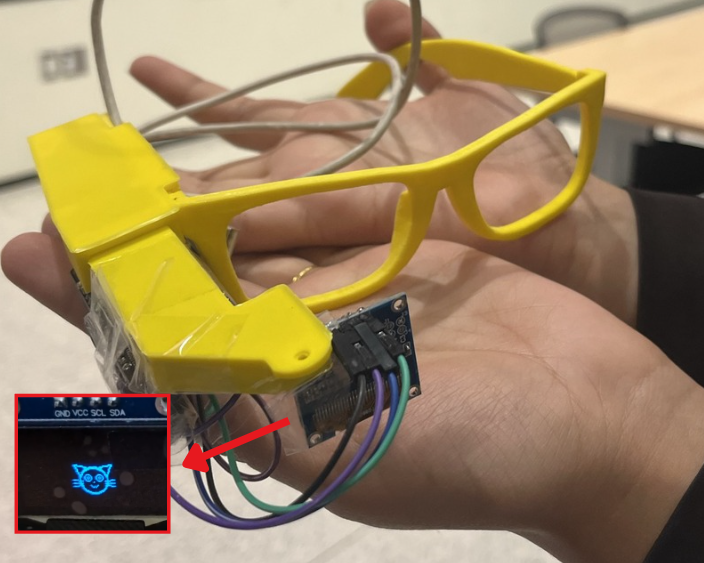
ZenVision - Discreet ADHD Support
Smart glasses to detect verbal outbursts in children with ADHD, providing real-time feedback for behavioral tracking. Implemented MFCC-based CNN on ESP32 for audio event classification (latency: 1.93 s). Developed a real-time dashboard using Firebase and Plotly.js for behavioral data visualization. Integrated the system end-to-end, combining on-device ML inference, cloud data storage, and interactive analytics.
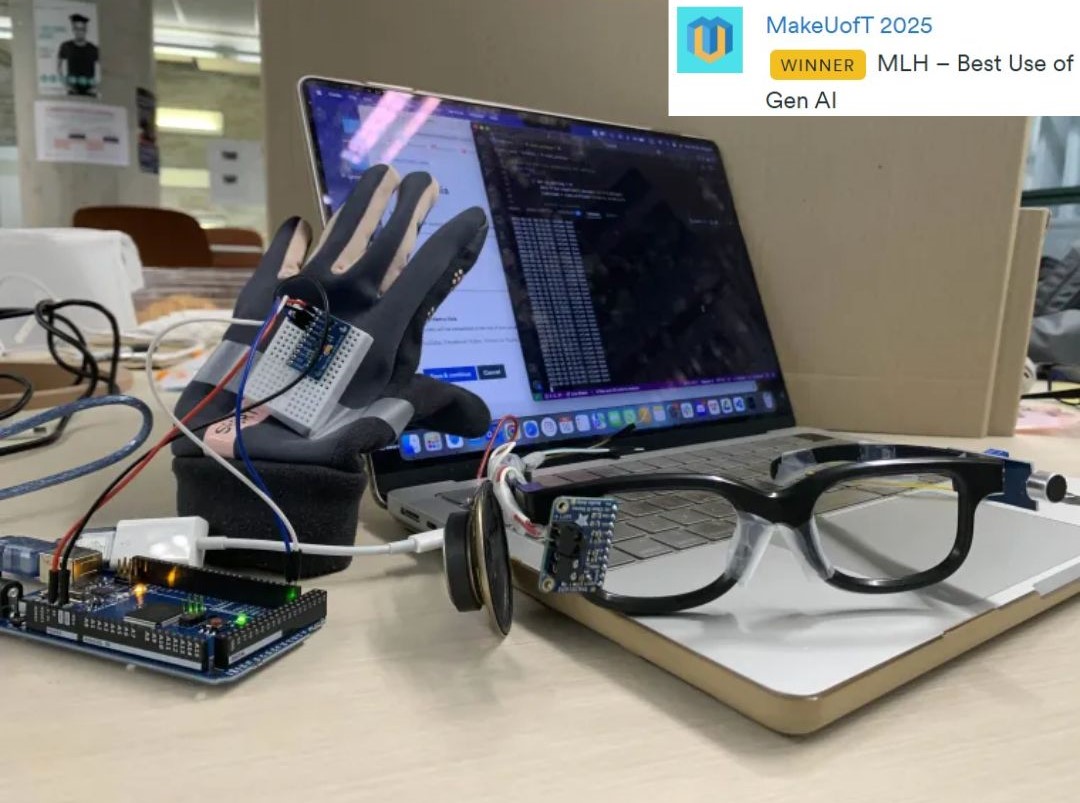
AI Glasses/Gloves Wearable
AI-powered wearable (glasses + gloves) for music generation and control via voice and hand gestures. Implemented speech-to-text pipelines, HuggingFace AudioLDM 2 for audio generation, and sentiment analysis models for adaptive music control. Designed gesture recognition system to map hand inputs to real-time control signals. Winner, Best Use of Gen AI, MakeUofT 2025.
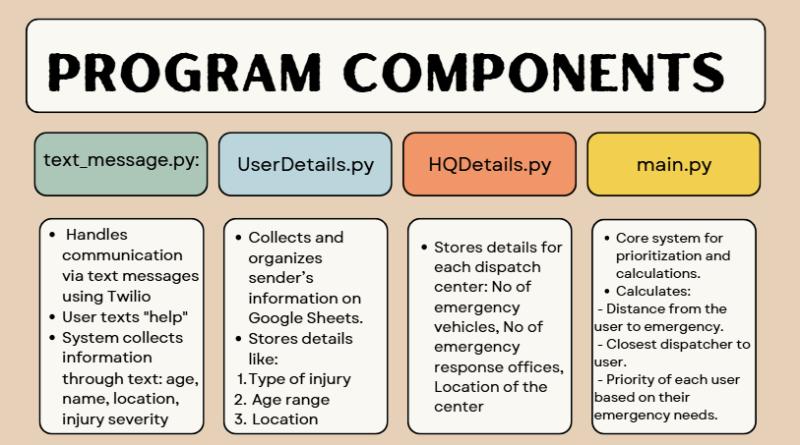
Automated Wildfire Response System
Python-based system automating wildfire alert and response coordination. Integrated Twilio for SMS alerts, Google Sheets API for live data synchronization, and implemented automated prioritization of rescue tasks. Enabled real-time communication and situational awareness for emergency management. 3rd Place, Programming, UTEK 2025.
Breathing Biofeedback Device
A wearable device for early-stage COPD detection using stretch sensors and signal processing. Developed real-time embedded firmware for Arduino to collect and process sensor data, applied FFT for breathing pattern analysis, and deployed lightweight ML models for anomaly detection. Built cross-platform mobile apps (iOS/Objective-C, Android/Java) with Bluetooth connectivity for live data visualization and user feedback. Part of University of Toronto Biomedical Engineering Design Team (UTBIOME).
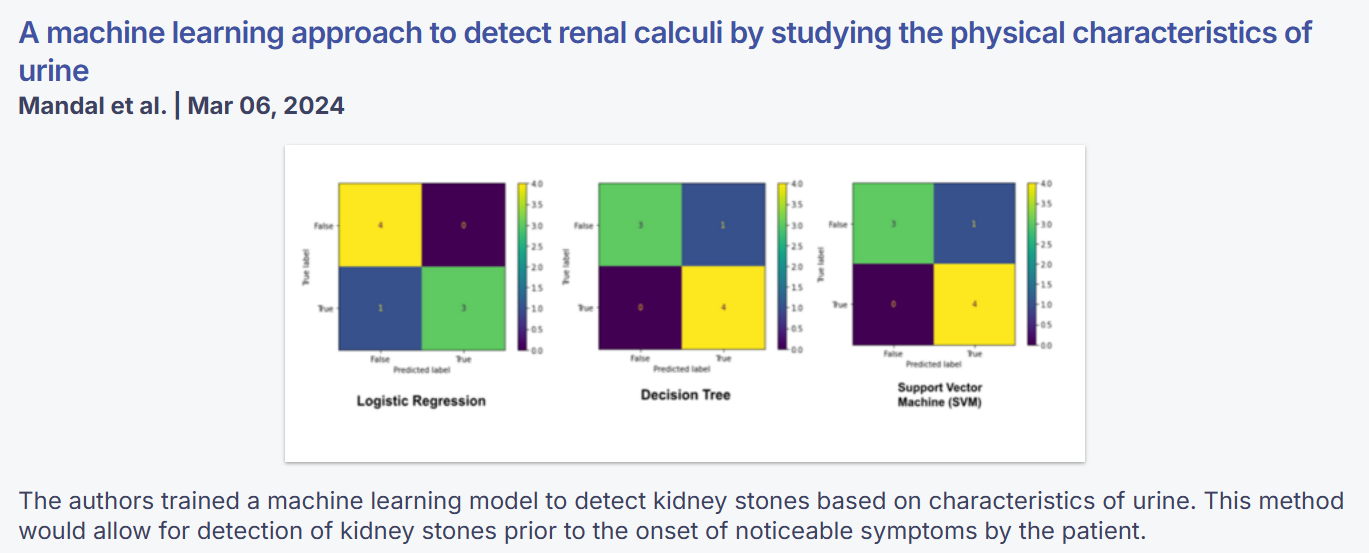
Kidney Stone Risk ML Model
Developed a machine learning model to predict kidney stone risk from urine analysis. Implemented preprocessing, feature engineering, and model training pipelines using Scikit-learn. Achieved clinically relevant predictive accuracy and published in the Journal of Emerging Investigators.

Plant Disease Detection
Deep learning model (ResNet50) for identifying plant diseases from images. Achieves 96.5% accuracy using augmented datasets to improve classification performance.

Malicious URL Detector
ML-based system to classify URLs as malicious or benign using NLP and classifiers like Logistic Regression and SVM. Enhances cybersecurity by detecting harmful links. Winner, New York Academy of Sciences (NYAS), Junior Academy, 2023 Spring Challenge.

MNIST Digits Recognition
Deep learning neural network trained on MNIST dataset for handwritten digit recognition. Achieves 98.6% accuracy with a three-layer architecture using TensorFlow.